
Silence on Vehicular Noise Pollution

Context
This letter by Mr. Gregory Bowyer was originally published in the Trinidad and Tobago national press during a period of public discussion about vehicular noise pollution. Bowyer was responding to recent newspaper coverage highlighting the growing problem of excessive vehicle noise, including powerful mobile sound systems and modified exhaust systems.
His concerns centred on the impact of this noise on residents and communities and the need for stronger enforcement by the relevant authorities. Mr. Bowyer is republishing the letter with HOATT as part of our continuing focus on issues affecting homeowners, communities and quality of life across Trinidad and Tobago.
Original Letter
I write in support of two of your stories over the last few weeks that highlighted the problem of vehicular noise pollution.
I have noticed a new trend where vehicles are being converted into powerful mobile sound systems by removing the back seats of the vehicles and replacing them with huge speaker boxes.
These vehicles are allowed to drive on our roadways and in our communities daily, invading and shattering the peace and quiet of many citizens in the sanctuary of their homes.
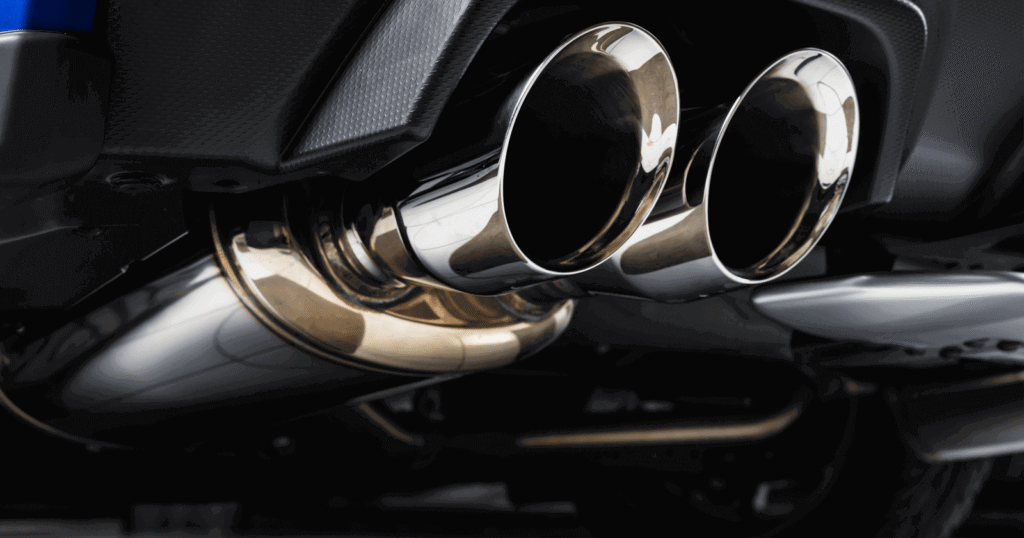
In addition to these massive mobile sound systems, another culprit is the car enthusiast who modifies the exhaust system in their vehicles, that results in excessive noise that penetrates into your soul, making it very difficult to recover your sanity. This can be a very traumatic experience for the elderly, newborns and even those with anxiety challenges.
One wonders if the authorities enforce the law against these hobbyists. How do these vehicles get past the inspection criteria to be allowed on our nation’s roadways?
I am therefore making an urgent appeal to law enforcement agencies to please act on our behalf, and assist those of us who are affected daily by this major hazard that impacts the quality of life for many citizens.
Gregory Bowyer
Trincity









Responses